Antler Lake
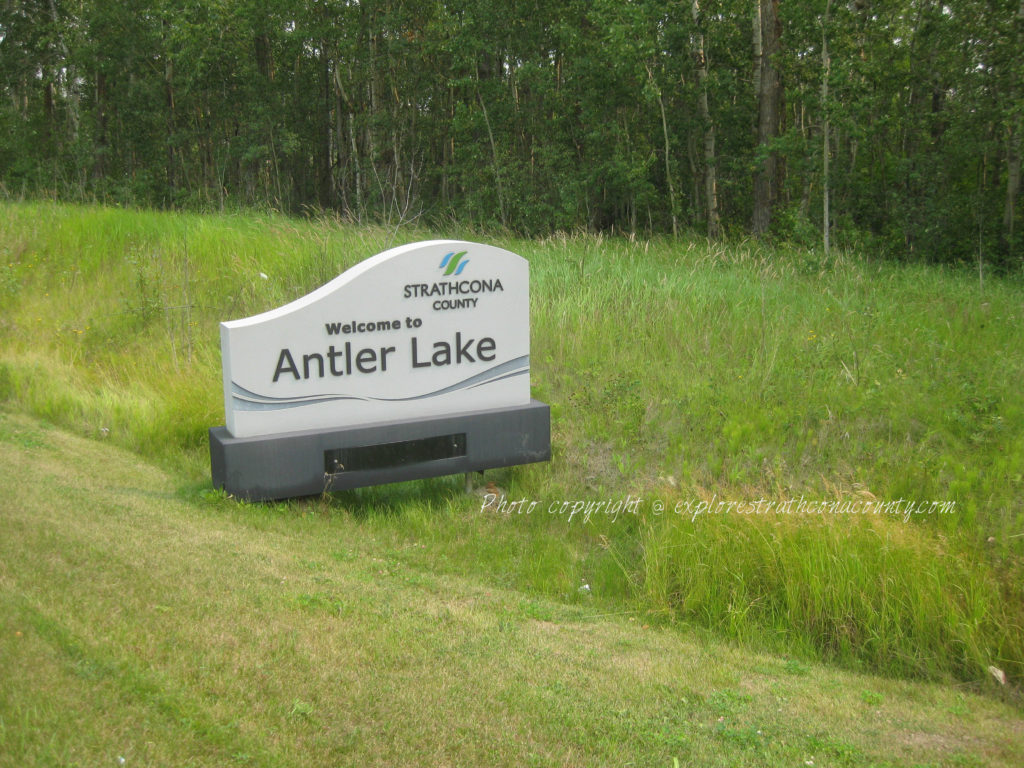
The Hamlet of Antler Lake was established in the 1950's on the shores of the lake with the same name. Antler Lake is a pretty little community, about 18 km east of Sherwood Park. The lake is receding and no longer suitable for swimming or viable for fishing, but it is great for bird watching. If the welcome sign at the entrance to the community is to be believed, residents also enjoy Alberta's best sunsets.
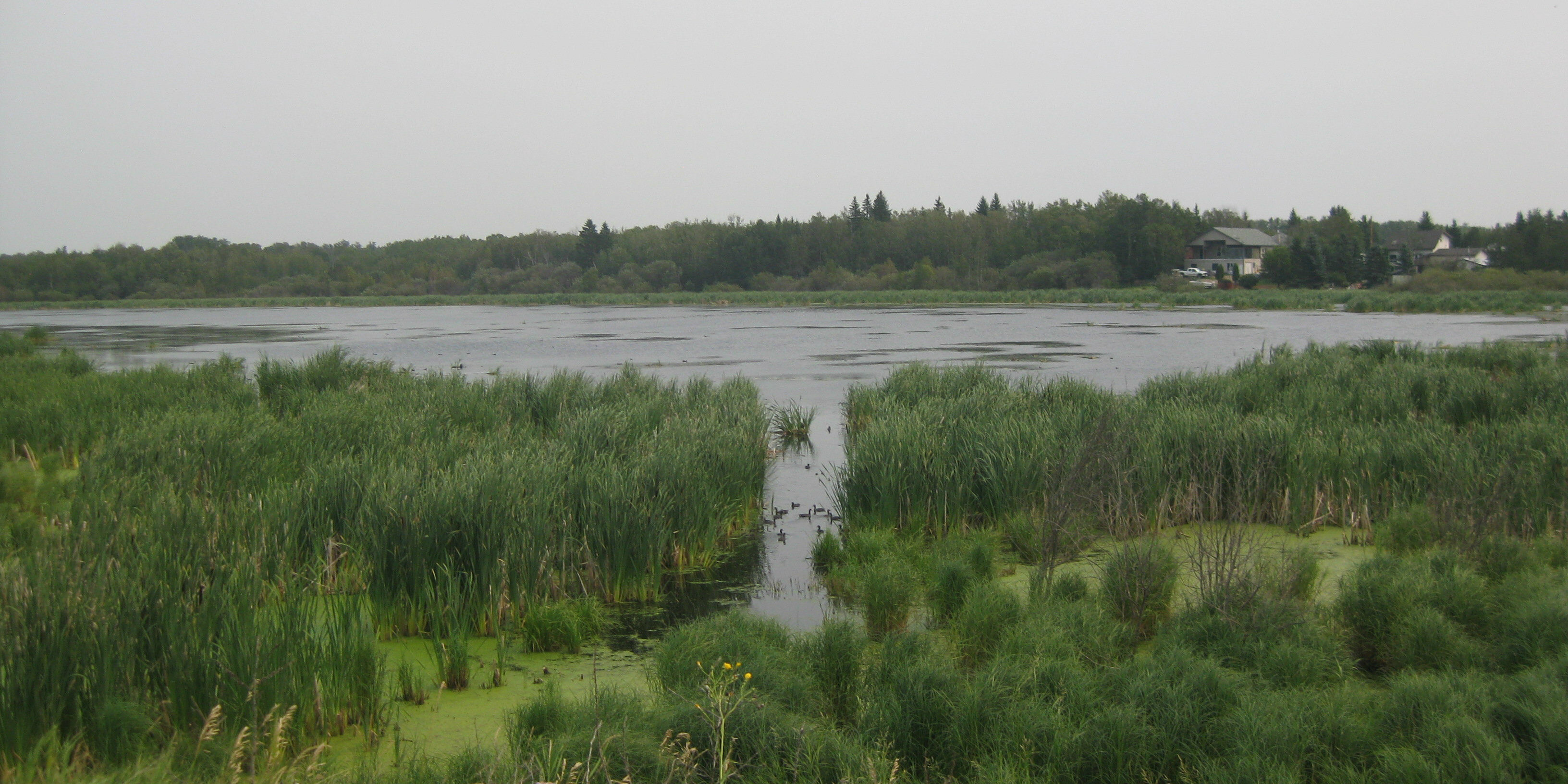
About 420 people make their home there, mostly consisting of about 200 small acreages. There is an active community association, community hall, nearby school, and access to ample recreation opportunities. Antler Lake Island is a designated Natural Area, and its on the doorstep to Strathcona Wilderness Centre, Cooking Lake-Blackfoot Provincial Recreation Area and Elk Island National Park.
Ardrossan
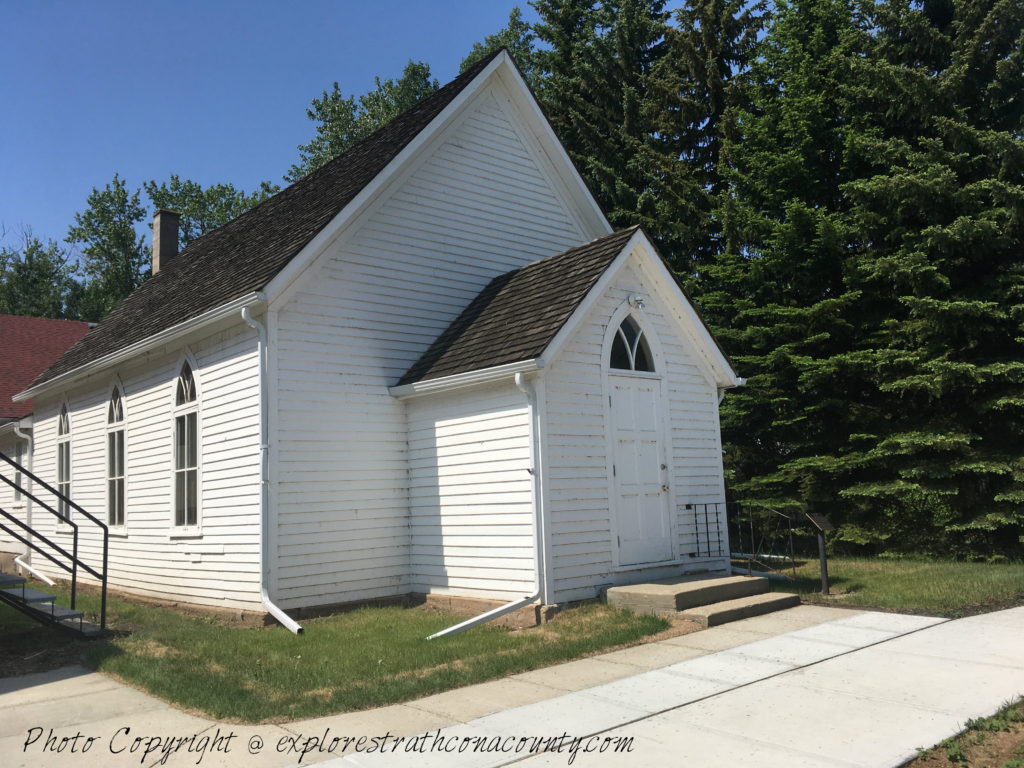
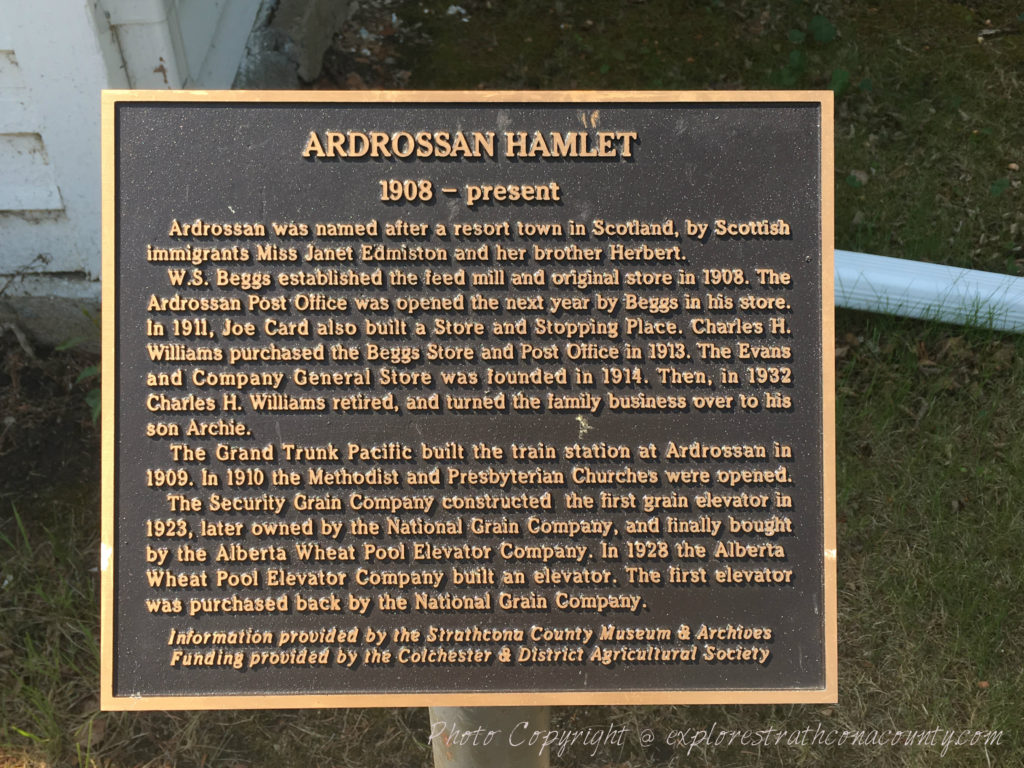
Named after a resort town in Scotland, Ardrossan is a fast-growing hamlet, just 7 km east of Sherwood Park. Established in 1909, Ardrossan is home to about 1300 people. The schools, easy commute to the region's urban centres and excellent recreational facilities in the hamlet make it an appealing choice for young families that want a break from the city.
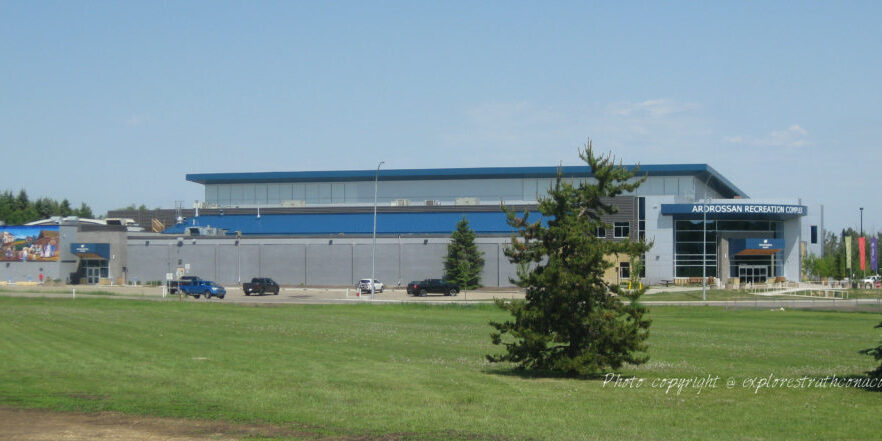
Residents enjoy amenities such as a general store, vet clinic, cafe and restaurant, gas station and auto repair shop. Some other restaurant and services have moved in as the hamlet continues to grow. Strathcona County built a state of the art recreation centre that is dubbed one of the county's best kept secrets. Ardrossan residents also enjoy an active community association - the Ardrossan Recreation and Agricultural Society.
Collingwood Cove
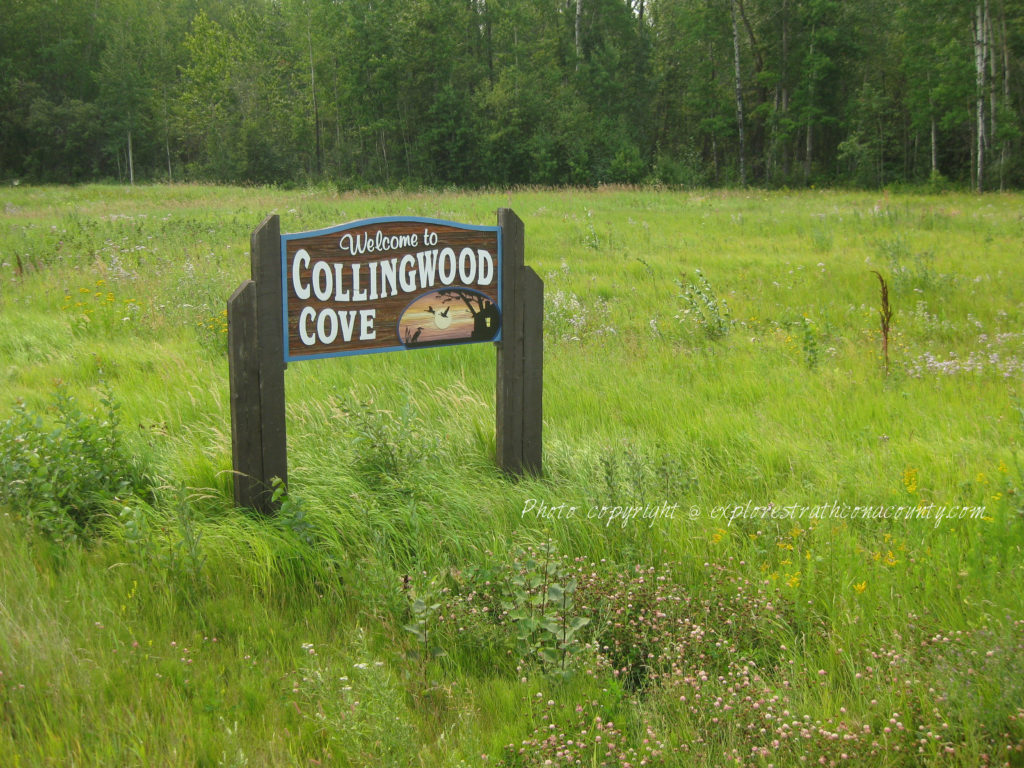
Established in the 1950's on the shores of Cooking Lake, this rural residential subdivision located about 17 km from Sherwood Park, home to about 370 people.
The lake was a popular resort in the 1950’s, when Cooking Lake was one of the best lakes in the Edmonton area. Like many of the lakes in the region, Cooking Lake’s water levels have been steadily decreasing for decades and it hasn’t been habitable for sport fish since the 1960’s. Cooking Lake is on the migration route for many waterfowl, so it offers some great bird watching opportunities, but there is no public access to the lake from Collingwood Cove.
Josephburg
Near Alberta’s Industrial Heartland in the northern part of Strathcona County, just 6½ km east of Fort Saskatchewan, lies the tiny hamlet of Josephburg. Settled in the 1890’s by Austrian families, this farming community has a population of about 120 people.
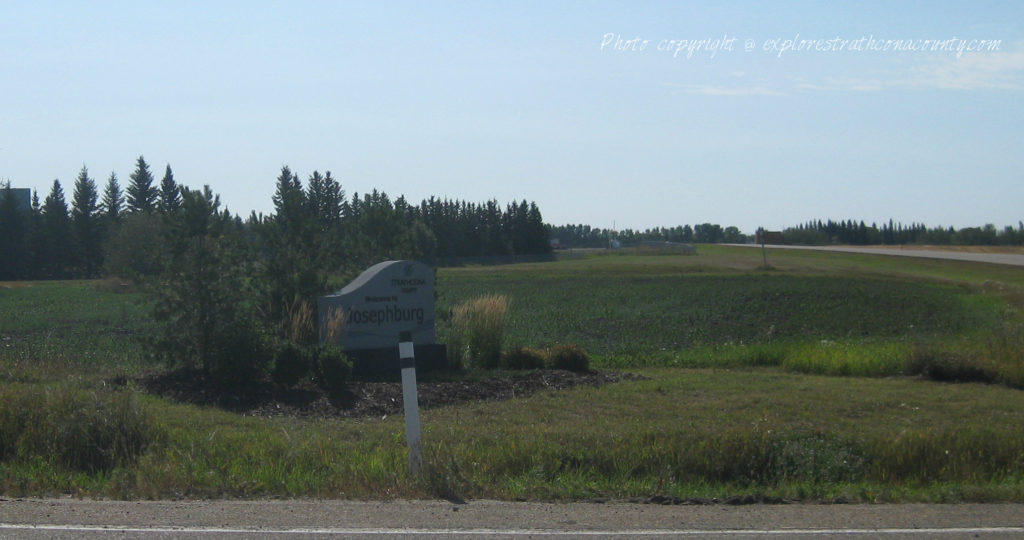
Josephburg has an active Ag Society and they sponsor a livestock show, fiddle jamboree, gymkhana and other community events. There is a great rec centre for a community of this size, Moyer Recreation Centre, a Church and Community Hall. In recent years they've added a skating rink in the winter.
This little hamlet also has a local airport that serves recreational flyers in Strathcona County and serves an important transportation option for local industry. Nearby, there is also the Hutterian Brethren of Scotford Colony, a great place for farm fresh produce and eggs.
Half Moon Lake
Half Moon lake is a hamlet and a freshwater lake of the same name. It is 13 km southeast of Sherwood Park, has a population of about 200 people and was founded in the 1950’s.
The lake itself is named for its crescent shape and is about 2 km long. It is one of the deeper lakes in the area and is home to Half Moon Lake Resort, a popular local campground on the south shore. Owners of the resort say that the lake has fish and is great for swimming. Strathcona County’s website says that “repeated attempts have been made to stock the lake with fish, but the only species that is capable of survival through the winter is the tiny brook stickleback”. Residents enjoy private access to the lake; the public can access the lake through the resort on the south shore.
Hastings Lake
About 40 km southeast of Sherwood Park, Hastings Lake is located just north of highway 14. On the lake, there is a rural hamlet, home to about 90 residences.
The lake itself was originally named ‘Kawtikh’, a Cree word meaning “the lake that does not freeze”. Apparently, springs that flow into the lake bottom prevent parts of the lake from icing over in the winter. In 1884, the lake was renamed for Tom Hastings, a member of J.B. Tyrell’s geological survey party. According to the Atlas of Alberta Lakes, it is a regionally significant staging and nesting area for ducks and Canadian Geese. The area is great for bird watching and is also home to the white pelican and the cormorant.
North Cooking Lake
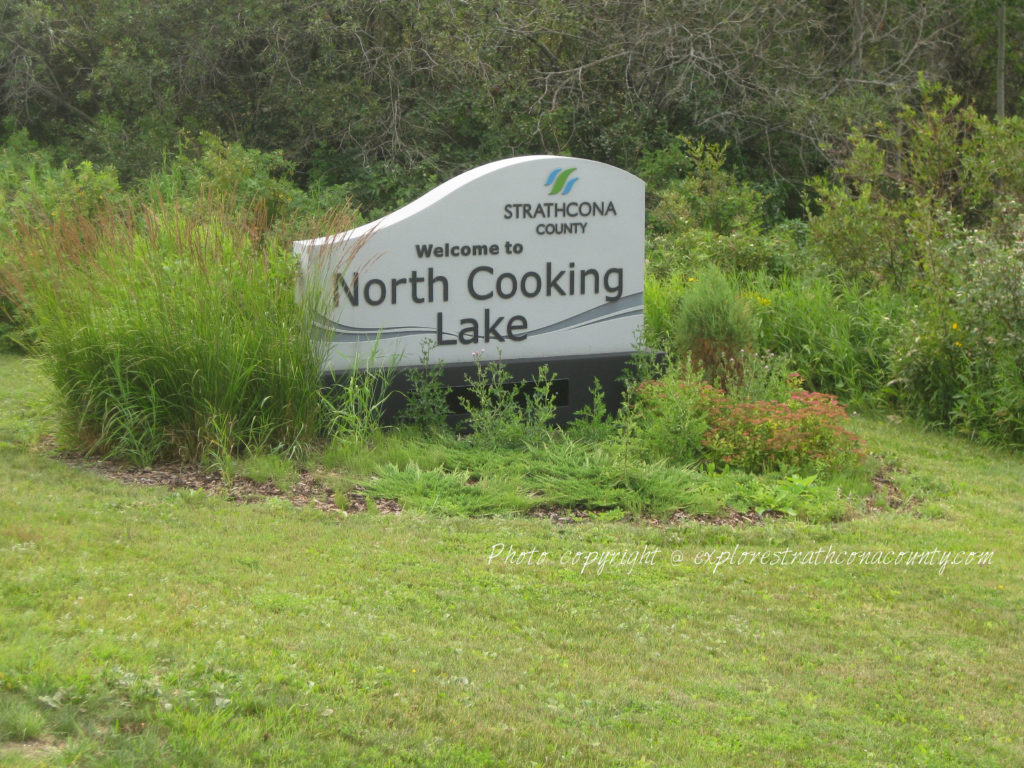
26 km southeast of Sherwood Park lies the tiny hamlet of 66 residents, Deville-North Cooking Lake.
Once a popular tourist beach, the community is now more famous for its proximity to peaceful natural areas. It borders North Cooking Lake Natural Area, and the Cooking Lake-Blackfoot Provincial Recreation Area, an important natural reserve and staging area for horseback riding, skiing, snowshoeing, hiking, biking and even dog sledding.
South Cooking Lake
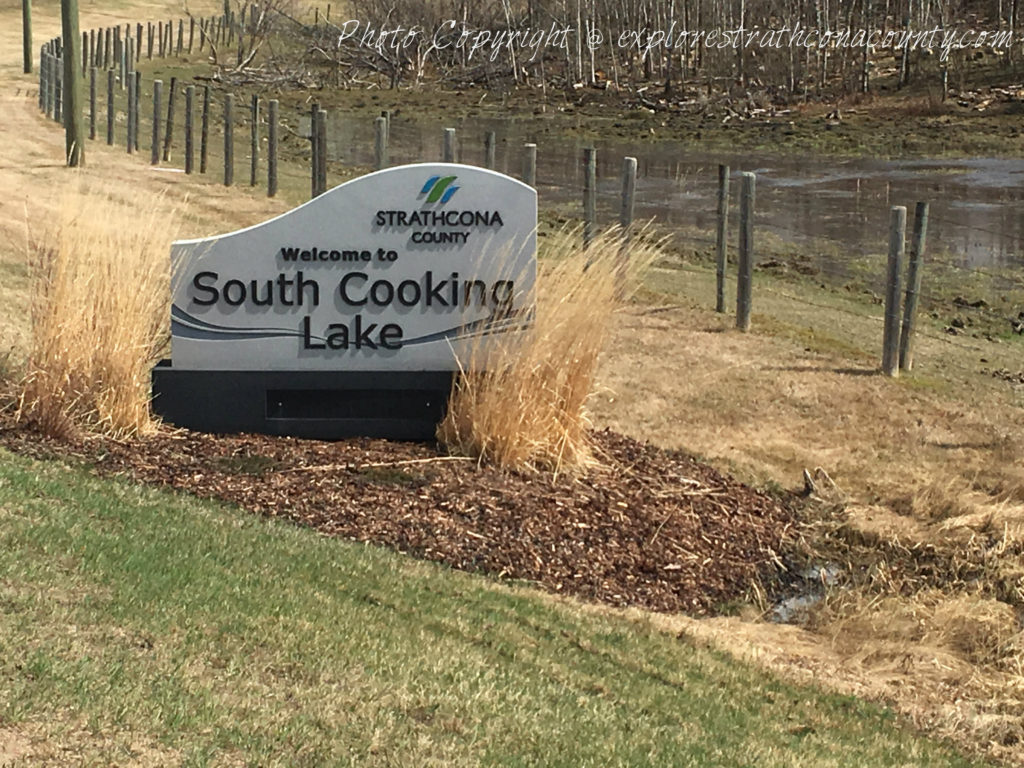
South Cooking Lake is a community of about 200 residents, 19 km southeast of Sherwood Park on Highway 14. Unlike many hamlets of its size, it has a few amenities & conveniences like a liquor store, post office, and convenience store.
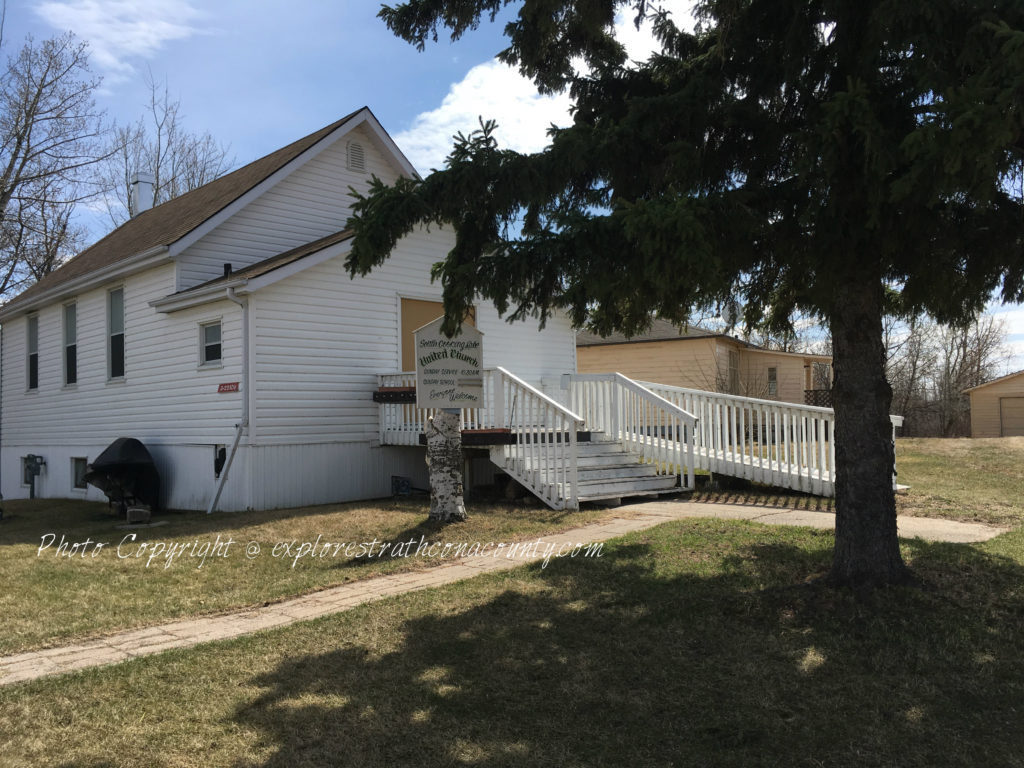
The community also has a super cute historic Church (still active), a fantastic greenhouse (great prices on hanging baskets) and an active community association, formed in 1923. The county has added some great recreation facilities down by the lake.