
Regional Cemeteries
Professor Keith Eggener once said "Cemeteries are kind of like parks, without the crowd". They are quiet places, with beautiful landscaping, fascinating architecture and a wealth of historical regional insights for historians and genealogy researchers. They can be a comforting space for reflection, peace and quiet; for some they are a sacred place for place of remembering and solace.
This is a comprehensive compilation of the regional cemeteries located in Fort Saskatchewan, Sherwood Park and Strathcona County Cemeteries (both very old & very new). We have included the genealogical links, where available, for those who might be interested in some family tree research.
May all of those interred within these cemeteries Rest in Peace.
Ardrossan Cemeteries
Ardrossan, One of the First Local Communities
Fairmount Cemetery. Easy to find, located in between the divided highway, on Highway 16, about 5 km north-east of Ardrossan. The entrance sign indicates it was established in 1898. While it's straddled by highways today, the Fairmount Methodist Church was once also located there. The original church that stood there was relocated to the Ardrossan town site (about 1909?), and eventually became known as the Ardrossan United Church. The Church is still associated with the cemetery. There is one tombstone from a fallen soldier of WWI. [Link to Billion Graves & Find a Grave]
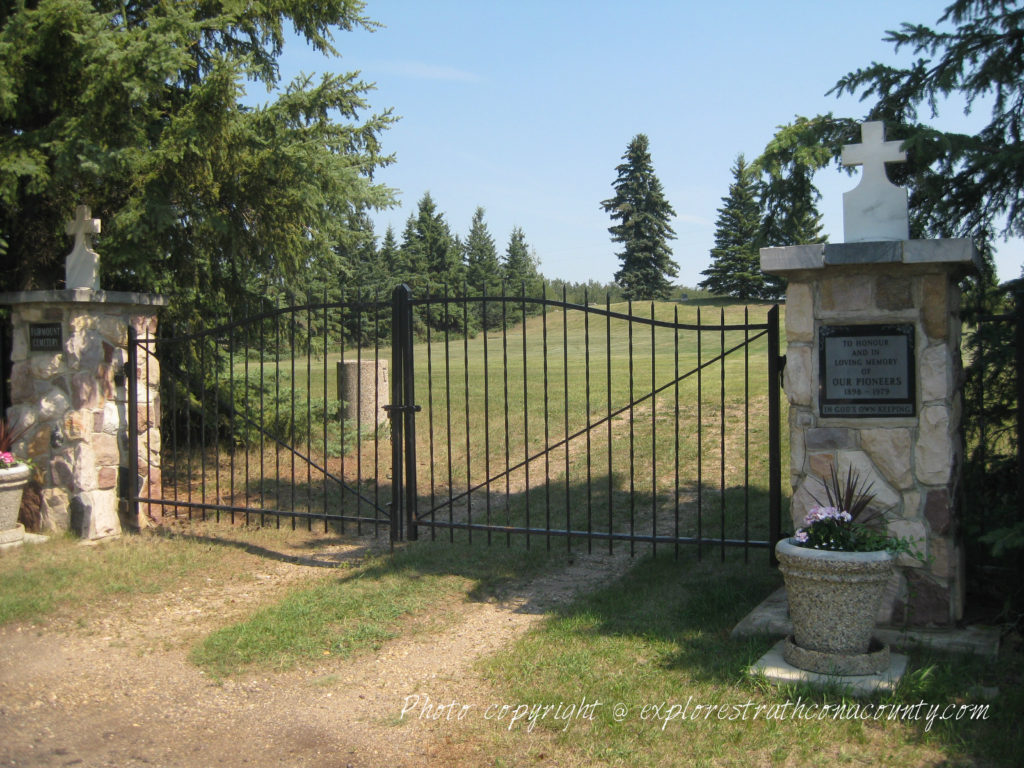
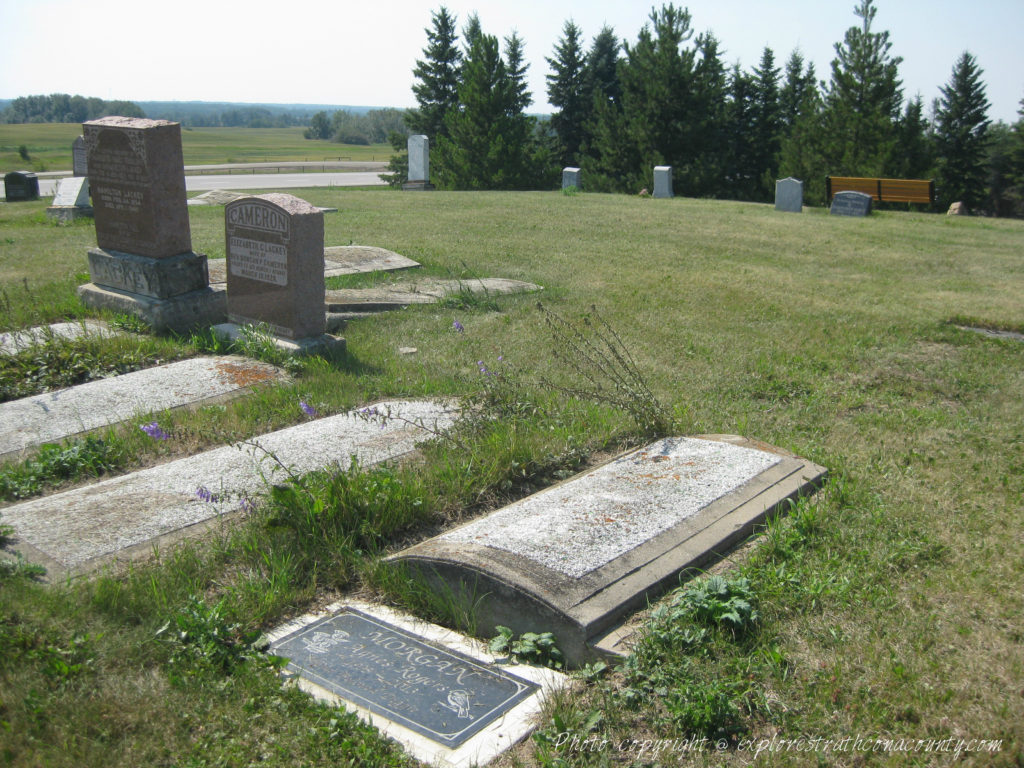
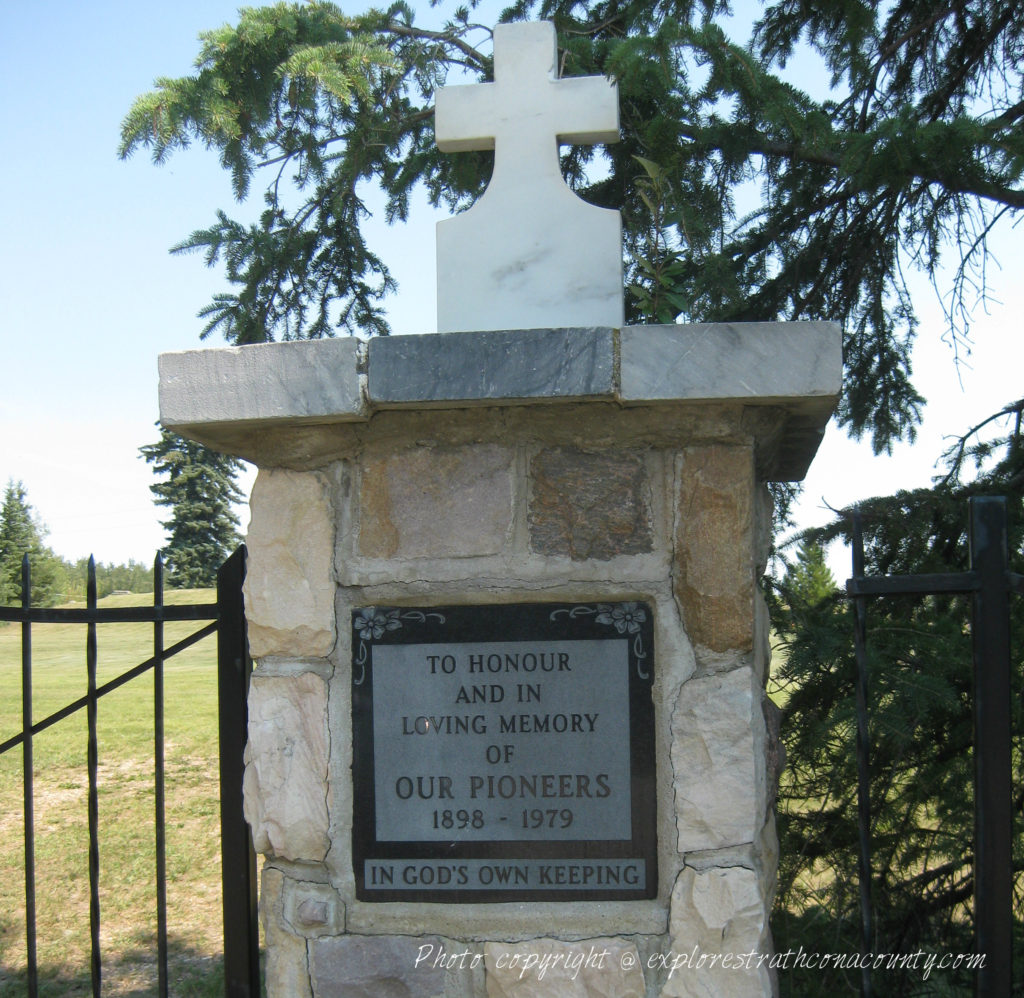
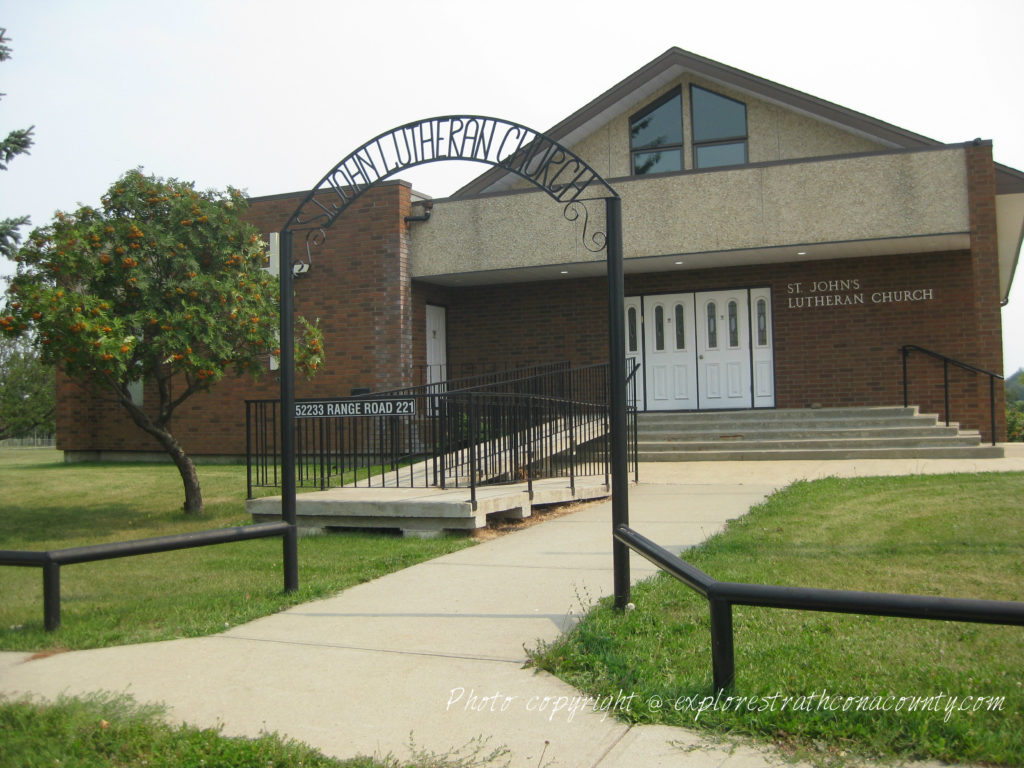
St. John's Lutheran Cemetery. Located in rural Strathcona County, the adjacent Church was established in 1936, rebuilt in 1964 and expanded on in 1986. Easy to find using Google maps. [Link to Billion Graves]
Fort Saskatchewan Cemeteries
Fort Saskatchewan has a fascinating local history
Fort Saskatchewan RCMP Graves. A small plot for fallen RCMP members can be found in the Fort Saskatchewan Cemetery. In 1985, the Fort Saskatchewan Historical Society erected a cairn to identify the original North-West Mounted Police plot from 1895. Learn more - RCMP Graves Memorial
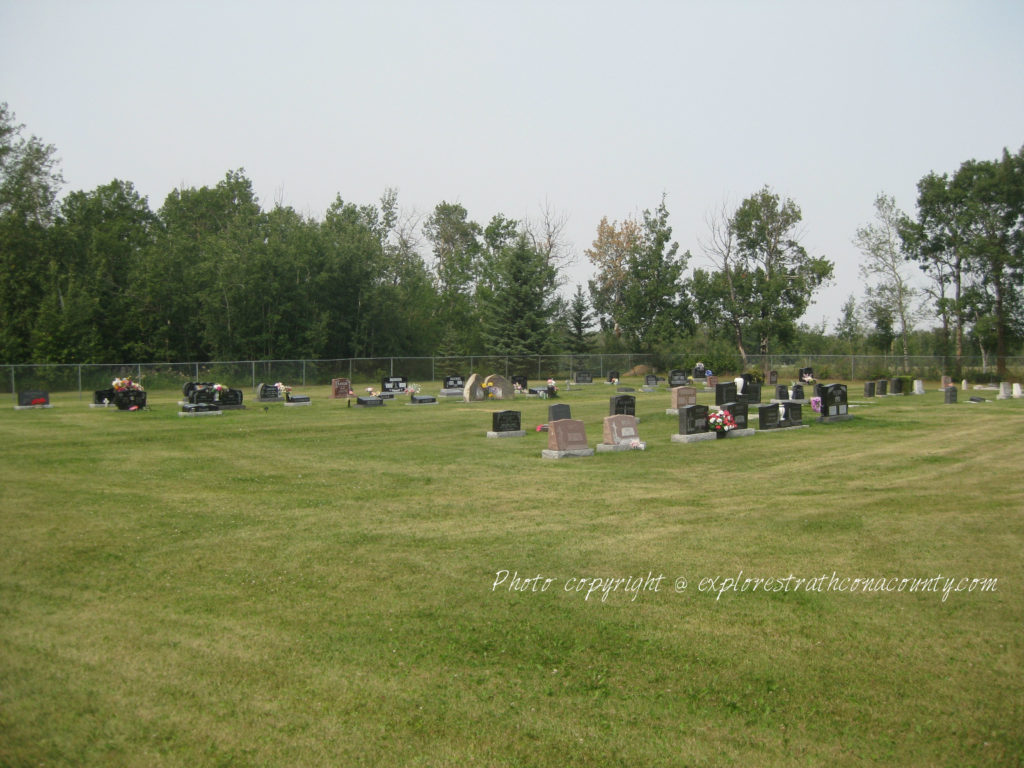
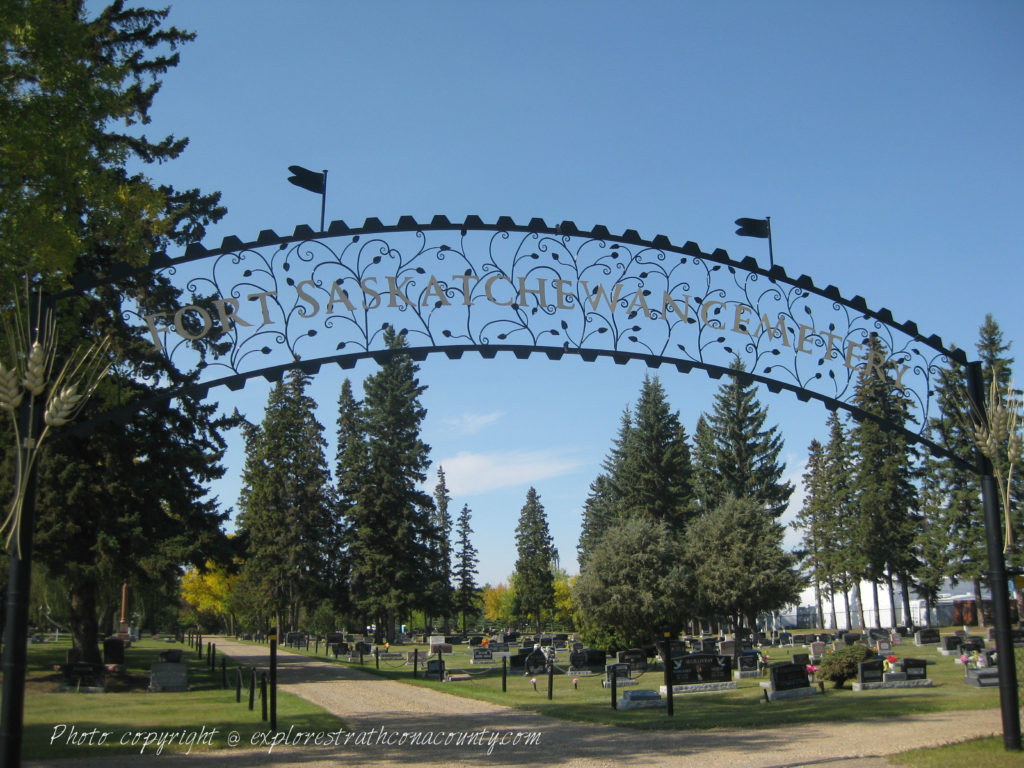
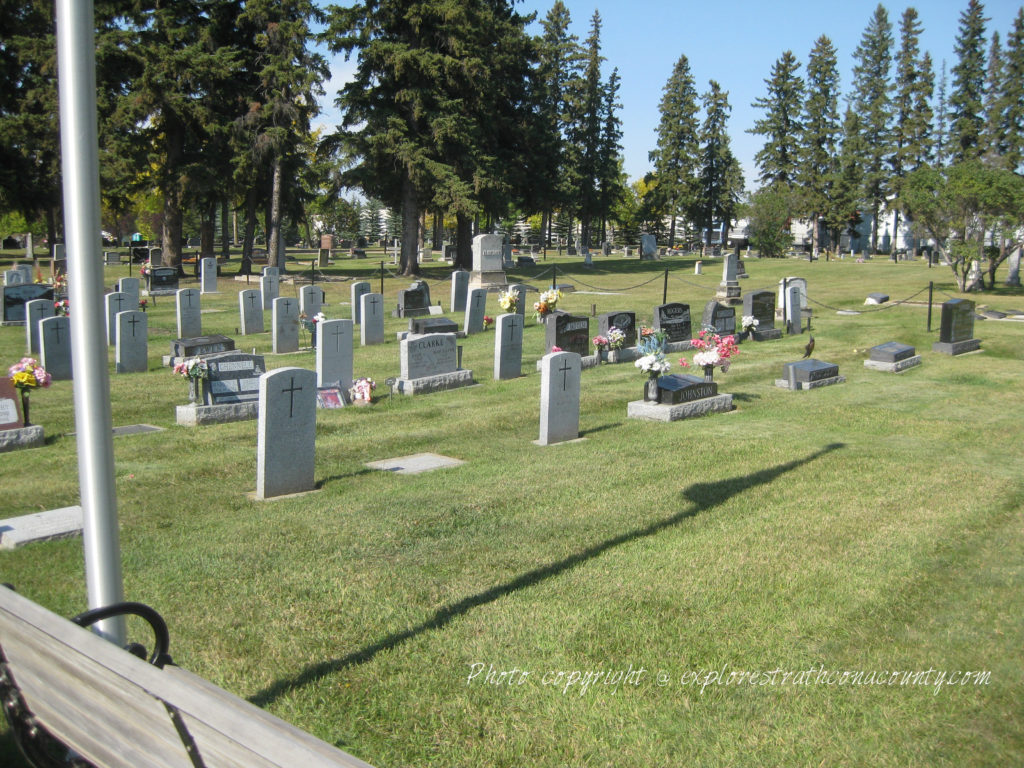
Fort Saskatchewan Cemetery. The Fort Saskatchewan Cemetery has been in existence for well over 100 years and contains over 2,000 memorials. The City of Fort Saskatchewan says on their website that the cemetery in existence since 1899, but the first recorded burial is that of Miranda Wright who died at the age of 48 in 1889. The Alberta Genealogical Society did some research in the 1980s that indicated there had been a fire, so it is not clear if there are more burials that were never recorded or if the records were lost. The cemetery is divided into separate sections for RCMP members, Veterans, infants, old sections and new sections. [Link to Prairie Souls & Find a Grave]
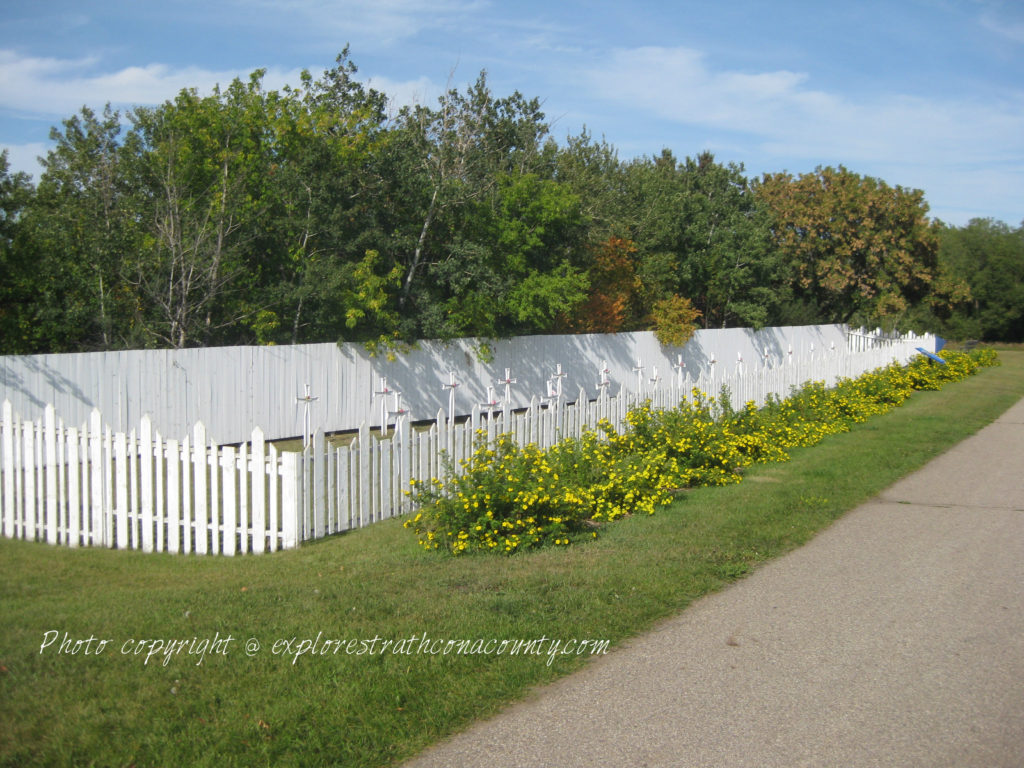
Fort Saskatchewan Goal (Jail) Cemetery. This is where they buried 19 people who died at the former Fort Saskatchewan jail. Capital punishment was still a thing in Canada until 1999, and the Fort Saskatchewan Jail was one of the places executions took place. The men buried here are said to those of executed prisoners, and others whose bodies went unclaimed by family. The cemetery was moved in the 1950's to make room for Highway 15. There are markers, but no names on the markers and the cemetery is rumoured to be haunted. Visions Intuitive Paranormal compiled a YouTube video with their findings. There is no website, but Google Maps will get you there. A researcher with Find a Grave has compiled a list of people she believes are buried here, another website suggests that the Jail lost the records of the men who are buried here. [Link to Find a Grave]
Josephburg Cemeteries
Josephburg Reformed Church Cemetery. The adjacent church was built in 1901 by the German-speaking Galician Austrian homesteaders that arrived in the area in the early 1890's. The Church is still active, but joined with the United Church in 1970. [Link to Prairie Souls & Billion Graves]
Bethany Lutheran Cemetery. A church and cemetery were established here in 1900. Learn more. [Link to Prairie Souls & Find a Grave]
Calvert Cemetery. Calvert Cemetery is a non-denominational cemetery, located on a plot of land in Josephburg donated by Robert and Harry Calvert. [Link to Billion Graves & Find a Grave]
Scotford Brethren Hutterite Cemetery. This cemetery is on the Scotford Brethren Hutterite Colony, near Josephburg. Tours can be arranged by contacting the Colony.
Sherwood Park Cemeteries
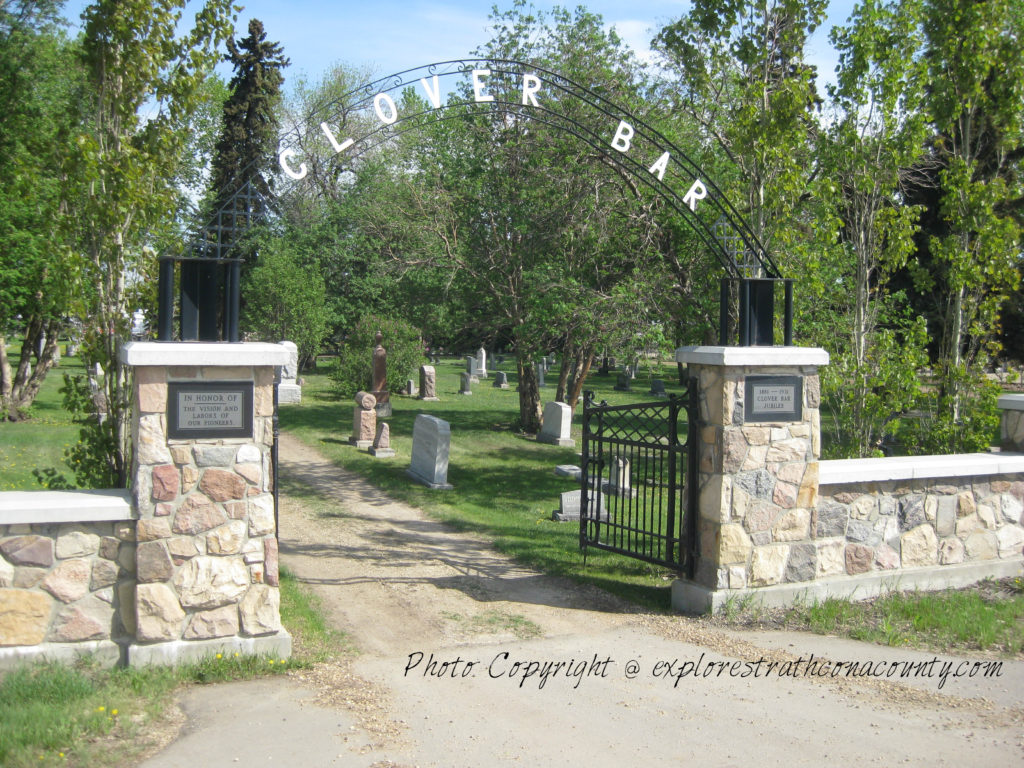
Clover Bar Cemetery. Established in 1901 behind the Clover Bar Methodist Church, on land donated by homesteader W.H. Wilkinson (now the industrial area on the north side of Sherwood Park that borders Highway 16). Wilkinson then got together with 9 others and formed the Clover Bar Cemetery Company, selling plots to locals. In 1931 for the 50th anniversary of the arrival of the first Clover Bar settlers, they erected a stone gateway to the cemetery as a permanent jubilee memorial. [Link to Billion Graves & Prairie Souls]
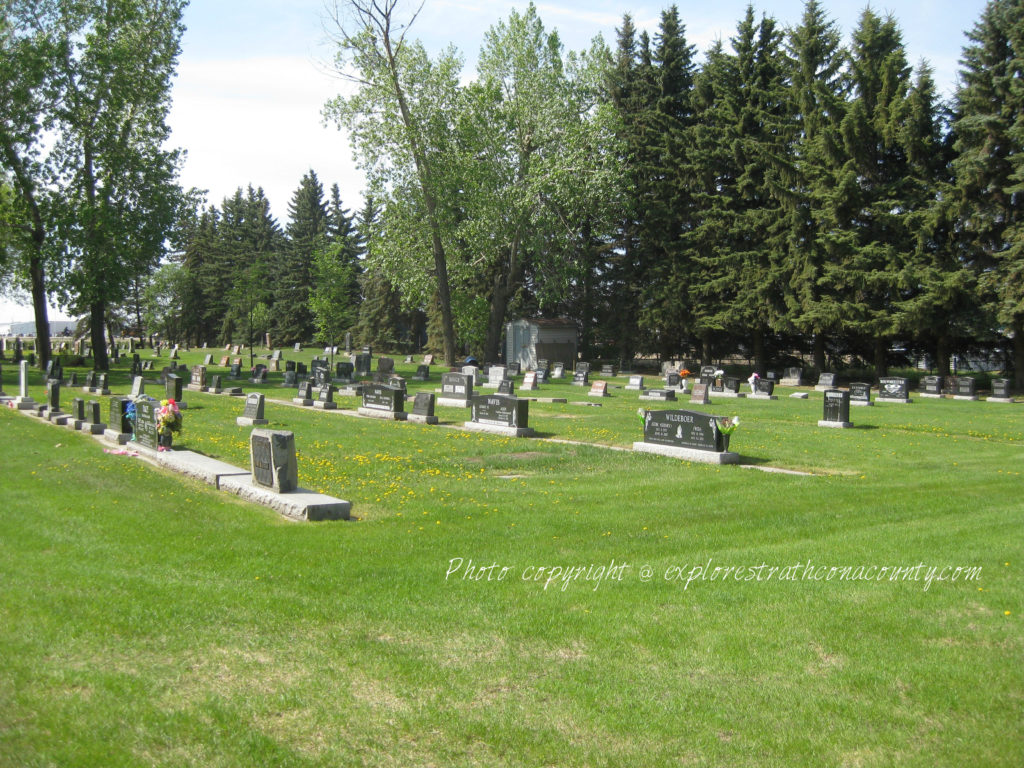
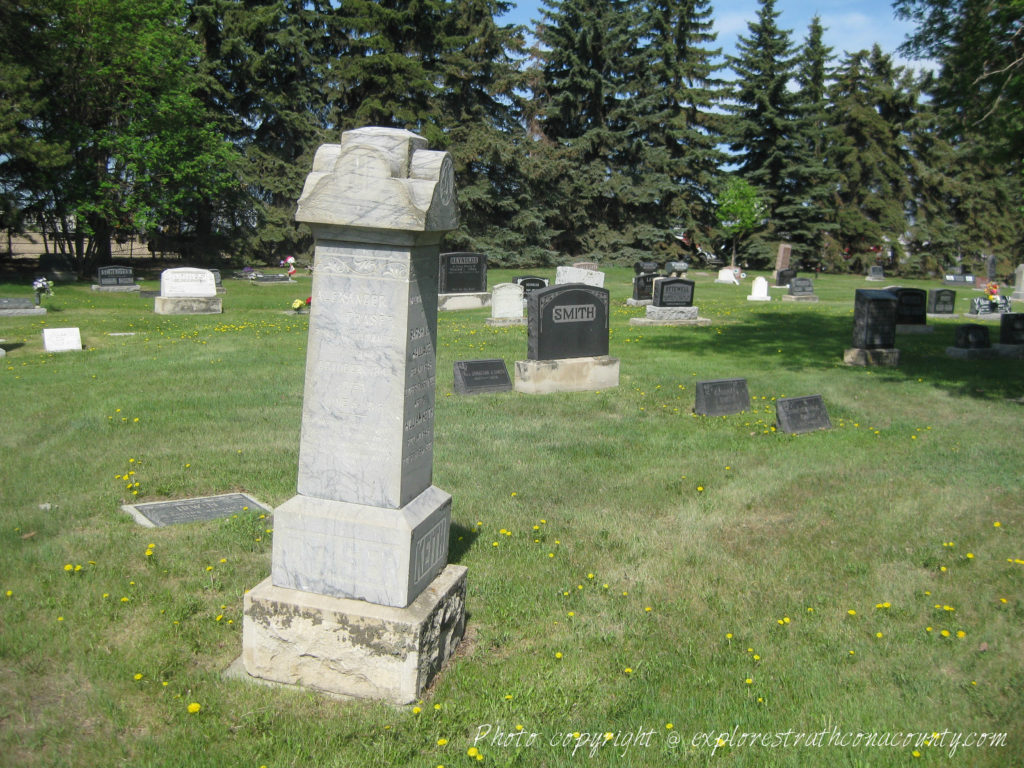
Glenwood Cemetery. Huge cemetery & 97 acre memorial gardens located right in Sherwood Park, owned by Glenwood Funeral Home and Cemetery (Arbor Memorial). [Link to Billion Graves]
Rural Cemeteries
Many of these cemeteries are quite historic
Agricola | St. Paul’s of Agricola Cemetery. Established circa 1893. Agricola was an early community in Strathcona County. [Link to Find a Grave]
Colchester | St. Stephen's Anglican Church Cemetery. Established in 1898, this cemetery is located on land donated by Samuel Galley for a church site and cemetery. The cemetery remains but the original church that was built in 1901, St. Stephen’s Anglican Church, was moved to south Edmonton and renamed “The First Church of St. John the Evangelist.” [Link to Find a Grave]
Good Hope Cemetery. The Good Hope District was established by European settlers in the early 1900's. The church, now a historical resource, was built in 1914. The Church isn't well marked on Google Maps, but the Community Hall (Good Hope Hall, which was once the community's school) is and the Church is just east. [Link to Prairie Souls & Find a Grave]
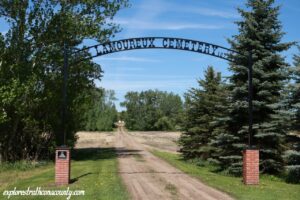
Lamoureux | Mission of the Notre-Dame de Lourdes Cemetery. Okay, so technically it's in Sturgeon County...Lamoureux is a hamlet beside the city of Fort Saskatchewan, on the North bank of the Saskatchewan River. Our Lady of the Lourdes served as the first parish in this area. The Church was declared a Historical Site in 1984 & the community is one of Alberta's first French-Canadian communities. The cemetery is the eternal home to many of those families. Read more. [Link to Find a Grave]
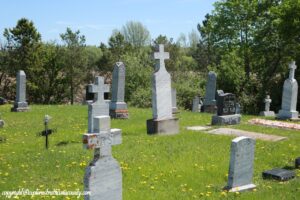
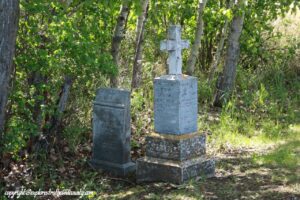
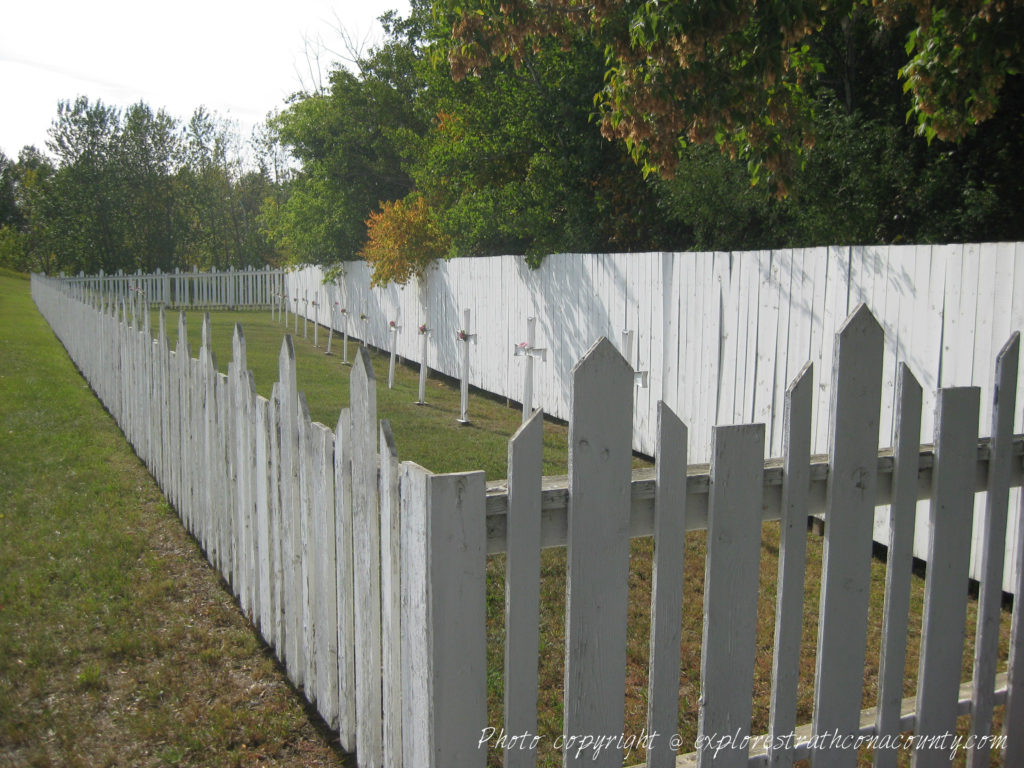
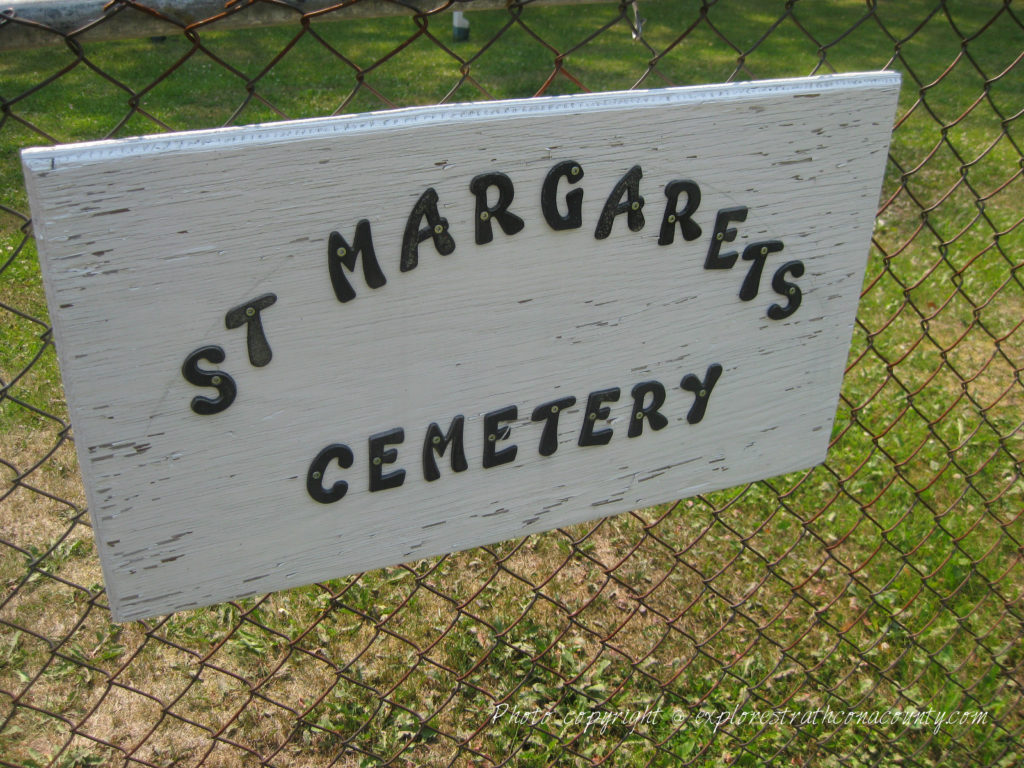
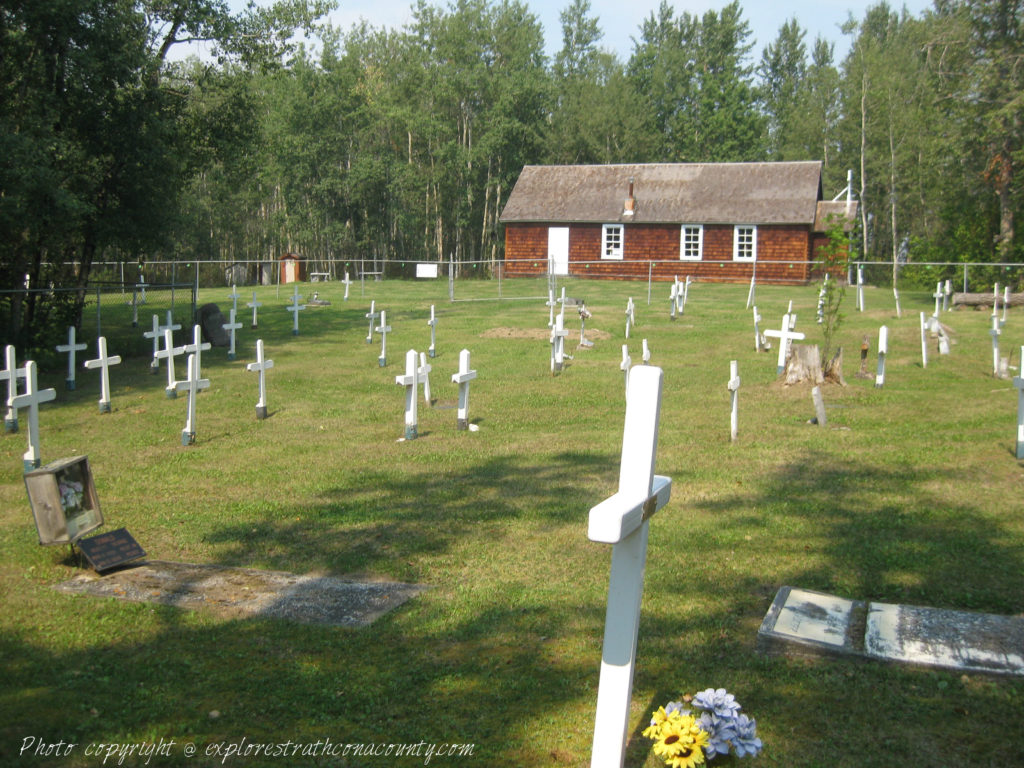
Deville-North Cooking Lake | St. Margaret's Church Cemetery. This one is a little trickier to find, but well worth the excursion and Google Maps will get you there. The adjacent church is is an original hand cut log building with cedar shingles on the exterior, it was built in 1912 and is now a designated historic resource. Local historians used ground penetrating radar & discovered unmarked sites, now marked by white crosses and by bricks on the outside of the cemetery fence. Read more. [Link to Find a Grave]
Hastings Lake / North Cooking Lake is an important area of historic significance for indigenous people, significantly Metis. St. Margaret's Church and Cemetery are valued as physical evidence of the Métis community which predated homesteading of the land in 1909. It was these Métis families who built St. Margaret's Church on the advice of travelling Oblate missionary Patrice Beaudry, himself Métis.
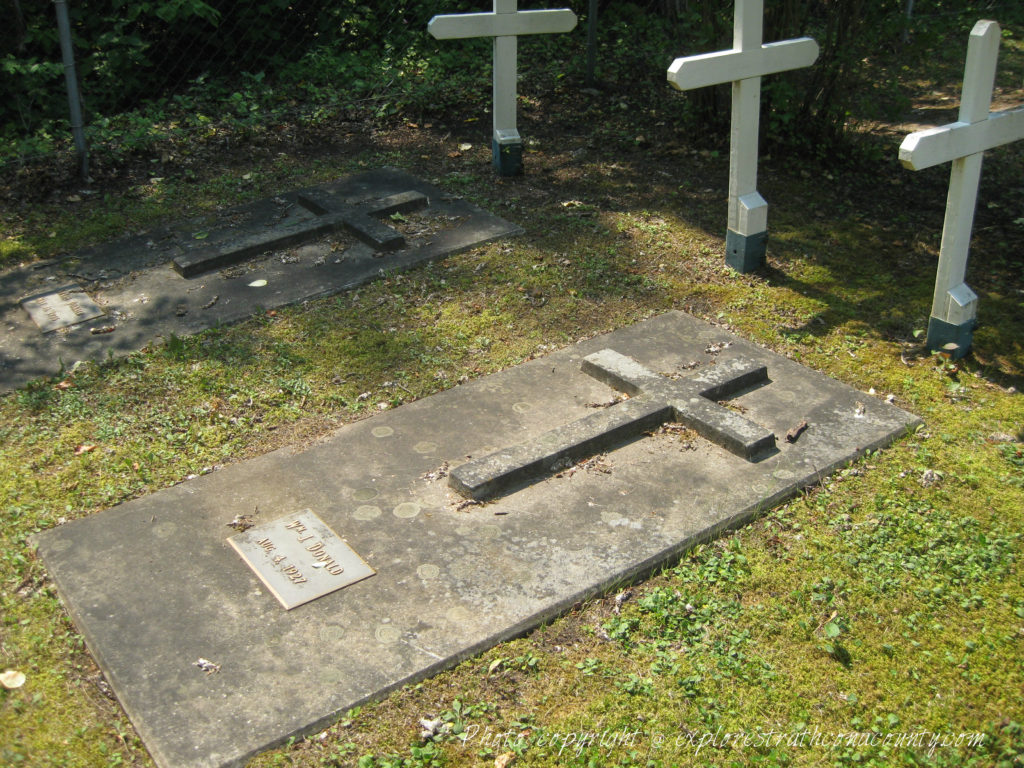
South Cooking Lake Cemetery. Established in 1912 on a hill near South Cooking Lake, it is a non-denominational cemetery for community members. The community had great foresight and purchased the land for the cemetery together. [Link to Find a Grave]
Looking for more local genealogical information?
- Check out Alberta Genealogical Society
- Edmonton and District Historical Society
- Fort Heritage Precinct
- Fort Saskatchewan Historical Society (Facebook page only)
- Strathcona County Museum and Archives has a great library and rich local archives
- Our Roots at the University of Calgary contains all the local histories
- The Fascinating History of Cemeteries on You Tube
Page sponsorships available - read more.